One tenancy
A single flat or house, one landlord, one set of tenants.
- Tenant app with rent and requests
- Lease and inventory stored on the tenancy
- Direct thread between both parties
- Request history kept for the whole tenancy
Rent, maintenance requests and lease documents for a rental property — handled from a phone, by tenants and landlords alike.
The same tenancy, seen from both ends of it.
The tenant pays from the method saved on the tenancy. Both sides see the payment against the right month, and the receipt stays in the tenancy file instead of a mailbox.
A tenant opens a request, adds pictures and describes the fault. It moves through received, assigned, scheduled and closed — nobody has to ask whether it was passed on.
Tenant, landlord and property manager write in the same thread, attached to the address. Nothing important lives in a personal phone number any more.
Tenancy agreement, inventory, addenda, notices and certificates sit under the property, readable on a phone, with the current version on top.
Cleaning, waste collection, gardening, boiler checks and inspections are scheduled on the building calendar, so residents can see what is coming before the van arrives.
Tell us which of these you are, and the walkthrough follows your case.
A single flat or house, one landlord, one set of tenants.
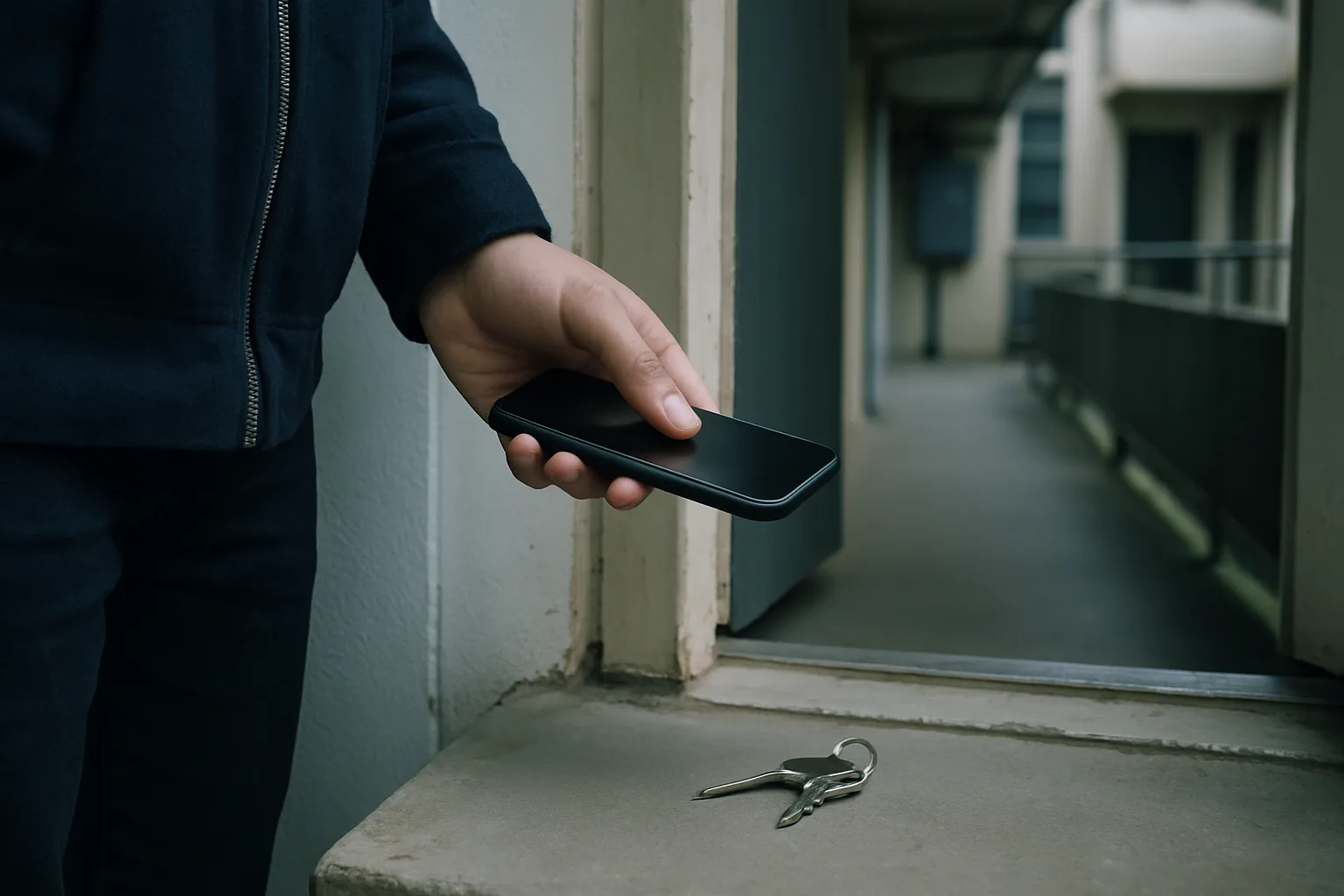
Several properties, often in different buildings or cities.
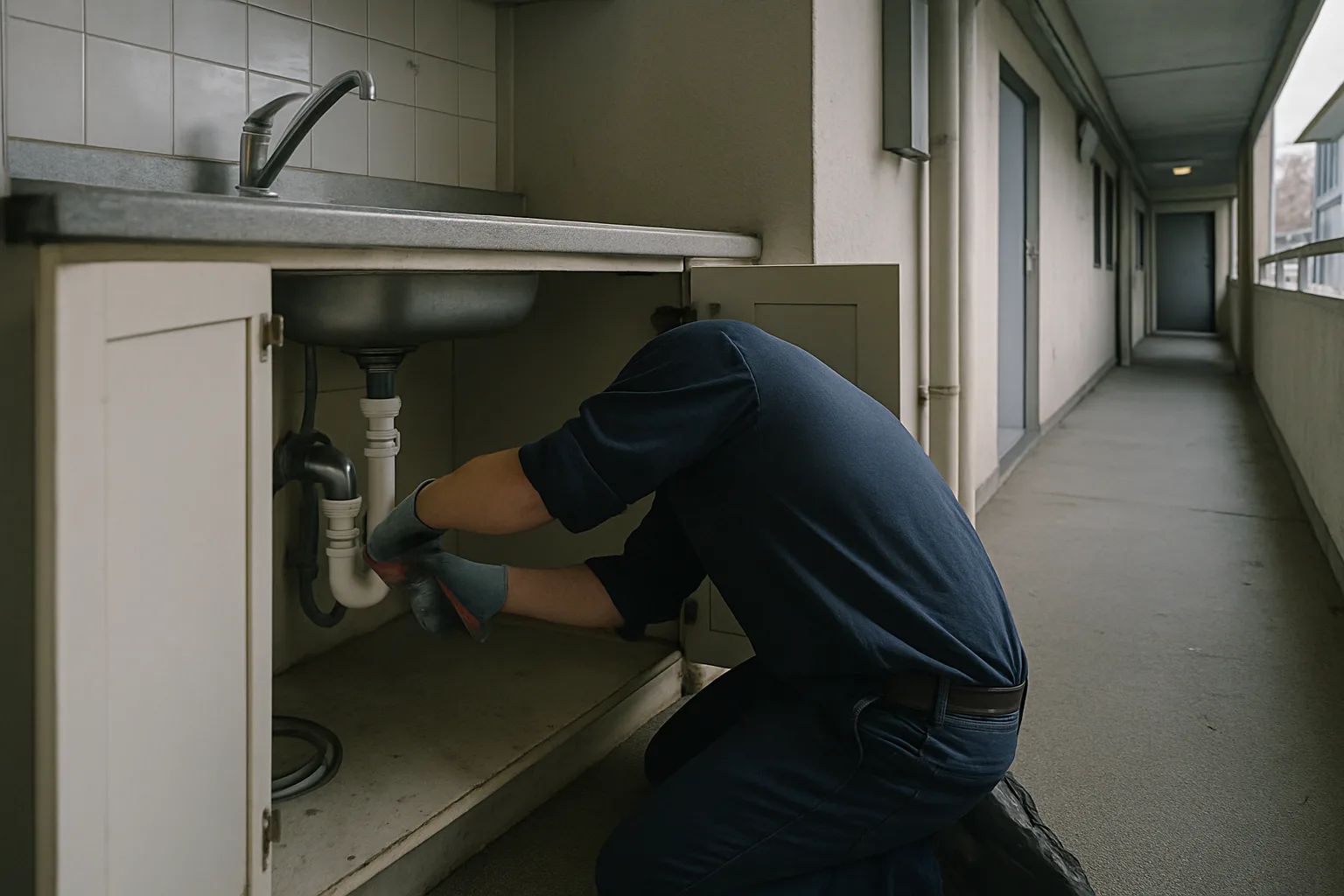
A block where services are scheduled for everyone at once.
Setup, document migration and tenant onboarding are quoted after we have seen the portfolio.
No. A landlord can run the property, file documents and log jobs on their own. Tenants get the most out of it when they install it too, because that is where rent, requests and the message thread live — but the file does not break if one tenant never signs in.
It lands on the property with its photos and a timestamp, and whoever manages that address is notified. From there it is assigned, scheduled with a contractor and closed. The tenant sees each change, so there is no second request asking whether the first one arrived.
The parties attached to that tenancy. A landlord with several properties sees their own; a tenant sees the documents for the home they rent. Access ends with the tenancy unless it is extended deliberately.
That is the case it was built for. Payments, requests, scheduling and signed documents all happen in the app, so the only thing that needs someone on the ground is the physical work itself.
The addresses, who the tenants are, and the documents you already hold. We load them, invite the tenants, and you carry on from the point you were at rather than starting a new file.
I rent out two flats in a city I moved away from. The part that changed is the maintenance list — I can see what is open and how old it is, instead of reconstructing it from messages.
Reported a broken extractor with two photos on a Sunday. It showed as assigned the next morning and scheduled by the afternoon. I didn't have to chase anyone, which is the whole point.
Having the lease and the inventory on my phone settled an argument about a mark on the floor in about a minute. Took me a while to find the building calendar, but it is all there.
Tell us whether you are letting, renting or running a block, and we will show you the part of the app that matters to you.
Thank you — someone from the team will get in touch shortly to arrange the walkthrough.
This page uses cookies for analytics and advertising measurement, but only after you give your consent. Learn More